The Rise of Interactive Entertainment: 4 New Experiences You Can’t Miss in 2026.
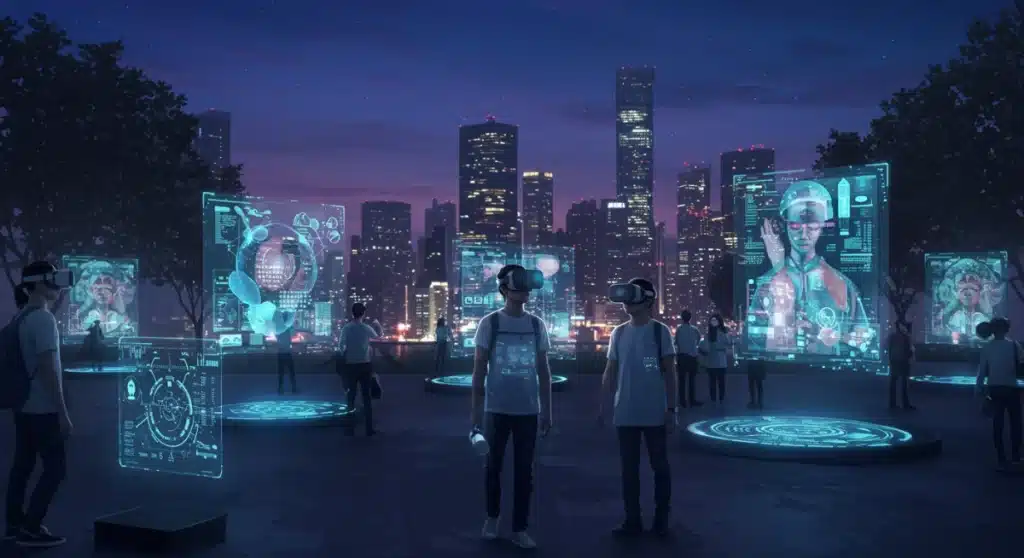
Latest developments on The Rise of Interactive Entertainment: 4 New Experiences You Can’t Miss in 2026., with key facts, verified sources and what readers need to monitor next in Estados Unidos, presented clearly in Inglês (Estados Unidos) (en-US).
The Rise of Interactive Entertainment: 4 New Experiences You Can’t Miss in 2026. is shaping today’s agenda with new details released by officials and industry sources. This update prioritizes what changed, why it matters and what to watch next, in a straightforward news format. The landscape of leisure and engagement is undergoing a profound transformation, moving beyond passive consumption to deeply immersive and personalized experiences.
As we approach 2026, technological advancements are converging to create unprecedented opportunities for interaction, blurring the lines between the physical and digital. This shift promises not just new forms of entertainment but entirely new paradigms of social connection, learning, and creative expression. Understanding these emerging trends is crucial for anyone interested in the future of how we spend our time.
From cutting-edge virtual reality environments to advanced augmented reality applications and narrative-driven experiences, the future of entertainment is becoming increasingly dynamic. This article delves into four pivotal experiences that exemplify The Rise of Interactive Entertainment: 4 New Experiences You Can’t Miss in 2026., offering a glimpse into what awaits consumers.
The Dawn of Hyper-Realistic Virtual Worlds
The evolution of virtual reality (VR) is accelerating, moving beyond rudimentary graphics to deliver hyper-realistic sensory experiences. These new virtual worlds are not just visually stunning but also incorporate advanced haptic feedback, spatial audio, and even scent simulation, making them indistinguishable from reality for many users.
Developers are leveraging powerful new game engines and AI-driven content generation to build expansive, dynamic environments that respond intelligently to user input. This results in experiences that are not only deeply immersive but also uniquely tailored to each individual’s choices and actions, fostering a profound sense of presence. The focus is shifting from simply viewing a virtual space to truly inhabiting it.
These hyper-realistic virtual worlds are set to revolutionize various sectors, from gaming and social interaction to education and professional training. The potential for unparalleled immersion makes them a cornerstone of Interactive Entertainment 2026, drawing in millions seeking novel forms of engagement.
Advanced Sensory Integration
Next-generation VR headsets are integrating high-resolution displays with wider fields of view, minimizing motion sickness and enhancing visual fidelity. This visual leap is complemented by sophisticated haptic suits and gloves, providing tactile feedback that simulates textures, temperatures, and resistance, making virtual interactions feel tangible.
Audio technology is also advancing rapidly, with personalized spatial audio systems that adapt to the user’s head movements and environmental acoustics. This creates a soundscape that is not only rich and detailed but also directionally accurate, further enhancing the sense of being truly present within the virtual environment. Such developments are central to The Rise of Interactive Entertainment: 4 New Experiences You Can’t Miss in 2026..
- High-fidelity visual displays with expansive fields of view.
- Sophisticated haptic feedback systems for tactile immersion.
- Personalized spatial audio for realistic soundscapes.
- Integration of scent and environmental simulations for full sensory engagement.
AI-Driven Dynamic Environments
Artificial intelligence plays a crucial role in crafting these evolving virtual worlds. AI algorithms are responsible for generating vast landscapes, populating them with intelligent non-player characters (NPCs), and even dynamically adjusting narrative elements based on player decisions. This ensures that no two experiences are exactly alike, promoting replayability and deep engagement.
Machine learning models analyze user behavior in real-time, adapting the environment, challenges, and even the emotional tone of interactions to match individual preferences. This level of personalization is a hallmark of the new era, making Interactive Entertainment 2026 incredibly compelling. The responsiveness of these worlds makes them feel alive.
The ability of AI to create procedural content means that virtual worlds can be virtually limitless in scope and detail, constantly offering new discoveries. This continuous generation of fresh content addresses the demand for novelty and depth, ensuring sustained interest in these platforms. The future of interactive entertainment hinges on such dynamic capabilities.
Virtual tourism, social gatherings, and collaborative workspaces are just a few applications benefiting from these advancements. The ability to explore distant lands or meet with friends in fantastical settings without leaving home is becoming a reality, redefining leisure and social interaction. This broad appeal underscores the significance of The Rise of Interactive Entertainment: 4 New Experiences You Can’t Miss in 2026..
Augmented Reality Adventures in the Real World
Augmented Reality (AR) is transforming our physical surroundings into canvases for digital interaction, offering experiences that blend virtual elements seamlessly with the real world. Unlike VR, which transports users to entirely new environments, AR enhances existing reality, opening up a myriad of practical and entertaining applications.
Upcoming AR glasses and devices are sleeker, more powerful, and offer wider fields of view, making digital overlays more convincing and integrated. These devices are equipped with advanced sensors that precisely map the user’s environment, allowing virtual objects to interact realistically with physical surfaces and lighting conditions. This technological leap makes AR a cornerstone of The Rise of Interactive Entertainment: 4 New Experiences You Can’t Miss in 2026..
From interactive art installations appearing on city streets to immersive gaming experiences that turn your living room into a battlefield, AR is bringing digital content directly into our daily lives. This accessibility and immediate relevance make AR adventures particularly attractive, offering a fresh perspective on how we engage with our environment. The potential for everyday magic is immense.
Context-Aware AR Gaming
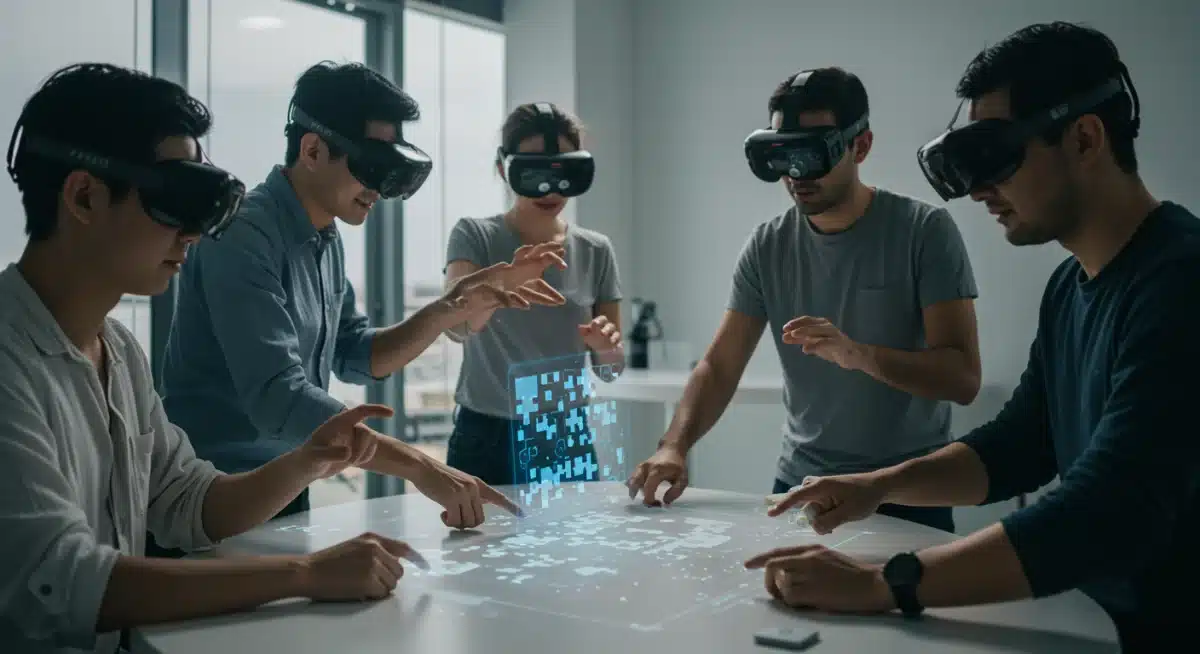
AR gaming is evolving beyond simple overlay applications, with new titles leveraging context-aware technology to create dynamic, location-based narratives. Imagine a game where virtual characters appear in your local park, interacting with actual trees and benches, or a mystery that unfolds across real-world landmarks, guided by digital clues.
These experiences utilize advanced GPS, environmental scanning, and object recognition to adapt gameplay to the user’s surroundings. This means that an AR game played in a bustling city will offer a vastly different experience from the same game played in a quiet suburban neighborhood, increasing replayability and fostering unique adventures. This intelligent adaptation is key to Interactive Entertainment 2026.

- Location-based narratives that adapt to real-world environments.
- Environmental scanning for realistic virtual object interaction.
- Object recognition to integrate physical items into gameplay.
- Dynamic content generation based on user’s immediate surroundings.
Interactive Public Installations
Beyond personal devices, AR is enabling large-scale interactive public installations that transform urban spaces into vibrant digital playgrounds. Imagine walking through a city square where digital art responds to your movements, or historical figures appear as holograms to narrate local history. These installations are designed to be collaborative and accessible to a wide audience.
These installations often use high-powered projectors, advanced sensors, and mobile device integration to create shared AR experiences that can be enjoyed by multiple people simultaneously. They foster a sense of community engagement and provide novel ways to interact with public spaces, making them a significant part of The Rise of Interactive Entertainment: 4 New Experiences You Can’t Miss in 2026..
The blend of art, technology, and public space creates memorable experiences that draw people out and encourage interaction. These types of experiences highlight the potential of AR to enrich daily life, offering spontaneous moments of wonder and engagement. The focus is on making technology disappear into the background, leaving only the magic of interaction.
From educational tours that bring ancient ruins to life to interactive advertisements that literally jump off billboards, AR is set to redefine how we perceive and interact with the world around us. This seamless integration of digital information into our physical reality is a powerful driver for Interactive Entertainment 2026.
Narrative-Driven Immersive Theater
Interactive theater experiences are evolving, moving beyond traditional stage plays to fully immersive, narrative-driven events where the audience becomes an active participant. These experiences blend live performance with advanced technology, creating personalized storylines that respond to individual choices and actions. The fourth experience focuses on this evolution.
These productions often take place in custom-built environments, utilizing elaborate sets, professional actors, and cutting-edge projection mapping and sound design. The goal is to create a believable world where the audience feels deeply embedded in the unfolding drama, influencing its direction with every decision. This level of engagement is a hallmark of The Rise of Interactive Entertainment: 4 New Experiences You Can’t Miss in 2026..
Audience members might be tasked with solving puzzles, interacting with characters, or making moral choices that directly impact the narrative’s progression. This active participation transforms spectators into co-creators, making each viewing a unique and unforgettable journey. The personalization ensures a high level of emotional investment and connection to the story.
Branching Storylines and Player Agency
A key innovation in immersive theater is the implementation of branching storylines, where the narrative diverges based on audience choices. This moves beyond simple multiple-choice decisions, with complex algorithms and human facilitators guiding the plot in response to nuanced interactions and group dynamics. Every path leads to a different outcome, encouraging repeat visits.
Player agency is paramount, giving participants a genuine sense of control over their experience and the narrative’s fate. This level of empowerment makes the stories deeply personal and impactful, fostering a strong emotional connection that traditional theater cannot match. It’s about living the story, not just watching it unfold, a core tenet of Interactive Entertainment 2026.
The narratives are often designed with multiple endings and hidden subplots, rewarding exploration and critical thinking. This intricate design ensures that even audience members who attend multiple times will discover new facets of the story, maintaining a fresh and engaging experience. The depth of these narratives sets a new standard for interactive storytelling.
Technological Facilitation of Interaction
Behind the scenes, advanced technology enables seamless interaction and narrative adaptation. Wearable devices might track audience movements and choices, while hidden sensors and cameras provide data to AI systems that then guide actors and adjust environmental cues. This technological backbone ensures a fluid and responsive experience without breaking the illusion.
Projection mapping can transform sets in real-time, adapting to narrative shifts and audience reactions, creating dynamic visual storytelling. Personalized audio channels can deliver whispered secrets or individual instructions, further immersing each participant in their unique journey. This invisible technology is crucial for the success of The Rise of Interactive Entertainment: 4 New Experiences You Can’t Miss in 2026..
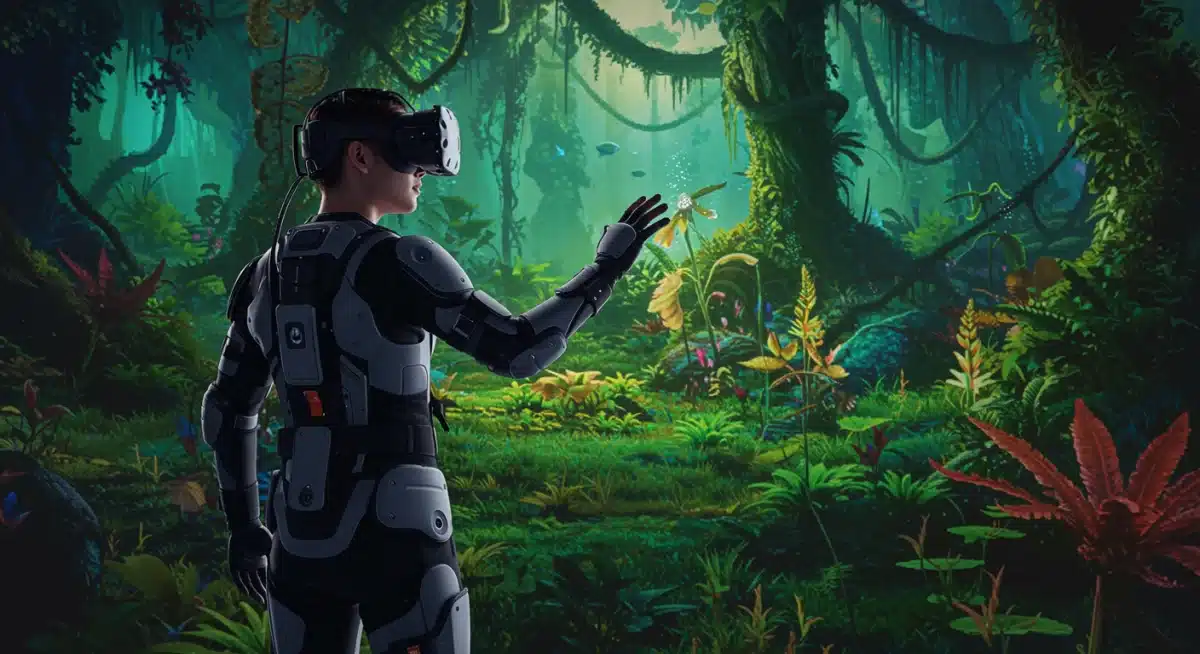

The combination of human performance and technological precision creates a powerful synergy, pushing the boundaries of what live entertainment can be. This innovative approach offers a glimpse into the future of storytelling, where every audience member becomes a protagonist. It redefines the very essence of interactive entertainment.
Gamified Social Platforms and Metaverse Integration
The concept of the metaverse, a persistent, shared virtual space, is rapidly evolving, integrating gamified elements to create highly engaging social platforms. These environments are becoming more than just places to meet; they are destinations for shared experiences, creative expression, and dynamic community building. This fusion is a core component of The Rise of Interactive Entertainment: 4 New Experiences You Can’t Miss in 2026..
Users can customize avatars, build virtual homes, participate in events, and even create their own content and games within these metaverses. The gamification comes from incorporating challenges, rewards, and progression systems that encourage exploration and interaction, turning social engagement into an enjoyable and rewarding pursuit. This fosters a sense of accomplishment and belonging.
These platforms are designed to be interoperable, eventually allowing users to seamlessly transition between different virtual worlds and carry their digital assets with them. This vision of a connected digital universe represents a significant leap forward in how we socialize and entertain ourselves online. The metaverse is a key driver for Interactive Entertainment 2026.
User-Generated Content Ecosystems
A driving force behind the metaverse’s appeal is its robust support for user-generated content (UGC). Platforms provide intuitive tools that allow users to design anything from custom clothing for their avatars to entire virtual environments and interactive mini-games. This democratizes content creation, turning every user into a potential creator.
These ecosystems often include marketplaces where creators can monetize their digital assets, fostering a vibrant virtual economy. This not only incentivizes creativity but also ensures a constant influx of fresh, diverse content, keeping the platform dynamic and engaging. UGC is essential for the sustained growth of The Rise of Interactive Entertainment: 4 New Experiences You Can’t Miss in 2026..
- Intuitive tools for creating custom avatars and virtual assets.
- Marketplaces for monetizing user-generated content.
- Community-driven design and development of virtual spaces.
- Incentives for ongoing creative contributions and participation.
Persistent Virtual Economies and Digital Ownership
The metaverse is underpinned by persistent virtual economies, often utilizing blockchain technology for secure digital ownership and transactions. Users can own unique digital assets, such as virtual land, rare collectibles, and exclusive avatar items, which can be bought, sold, and traded, mirroring real-world economic principles.
This concept of digital ownership, often facilitated by non-fungible tokens (NFTs), gives users a tangible stake in the virtual world, enhancing their sense of investment and connection. The ability to truly own and transfer digital goods is a paradigm shift, making these platforms more valuable and engaging. This economic layer is a critical aspect of Interactive Entertainment 2026.
These economies are not just about speculation; they enable new forms of digital entrepreneurship and creative expression, offering opportunities for users to build businesses and careers within the metaverse. This financial incentive further strengthens user engagement and fosters a self-sustaining digital ecosystem. The economic framework solidifies the metaverse as a significant interactive entertainment experience.
From virtual concerts and fashion shows to educational forums and business meetings, the metaverse is becoming a versatile platform for a wide array of activities. Its ability to host diverse, gamified social interactions positions it as a central pillar of The Rise of Interactive Entertainment: 4 New Experiences You Can’t Miss in 2026., offering endless possibilities for connection and play.
| Key Experience | Brief Description |
|---|---|
| Hyper-Realistic VR Worlds | Immersive virtual environments with advanced sensory integration and AI-driven dynamics. |
| Augmented Reality Adventures | Digital content seamlessly blended with the real world for interactive gaming and public installations. |
| Narrative-Driven Immersive Theater | Live performances with branching storylines and audience agency, enhanced by technology. |
| Gamified Metaverse Platforms | Persistent virtual spaces with user-generated content, economies, and social gamification. |
Frequently Asked Questions About Interactive Entertainment in 2026
Hyper-realistic VR worlds in 2026 are characterized by advanced visual fidelity, integrated haptic feedback, and spatial audio that create an almost indistinguishable experience from reality. AI-driven environments respond dynamically to user interactions, offering personalized and ever-evolving content. This level of immersion redefines what we expect from virtual experiences.
Augmented Reality adventures will integrate digital elements into our physical world, transforming public spaces and personal environments. Expect context-aware gaming that adapts to your surroundings and interactive public art installations. These experiences will make daily life more engaging, offering spontaneous moments of digital interaction and discovery.
Narrative-driven immersive theater places the audience at the center of the story, allowing their choices to directly influence the plot’s progression. These experiences combine live actors with advanced technology, creating branching storylines and personalized journeys. Each participant becomes a co-creator, ensuring a unique and deeply personal theatrical experience.
Gamified social platforms within the metaverse are persistent virtual spaces where users create avatars, build content, and engage in social activities with integrated game mechanics. They feature user-generated content ecosystems and virtual economies, often powered by blockchain, allowing for digital ownership and monetization. This fosters dynamic, community-driven online interaction.
These experiences are unmissable due to their unprecedented levels of immersion, personalization, and interaction. They represent a fundamental shift from passive entertainment to active participation, offering novel ways to connect, learn, and play. They are set to redefine leisure, offering unique opportunities that transcend traditional forms of entertainment in a truly exciting way.
Looking Ahead
The landscape of Interactive Entertainment 2026 is set for a dramatic evolution, driven by technological convergence and a growing demand for personalized engagement. The four experiences highlighted—hyper-realistic VR, augmented reality adventures, narrative-driven immersive theater, and gamified metaverse platforms—represent a paradigm shift in how we interact with digital and physical worlds. As these technologies mature, they will not only reshape the entertainment industry but also influence education, social interaction, and commerce. Keeping abreast of these developments is crucial for understanding the future of leisure and human-computer interaction. The trajectory indicates a future where entertainment is not just consumed but actively lived and co-created.
