Cutting-edge technologies in sports injury prevention: A comprehensive review
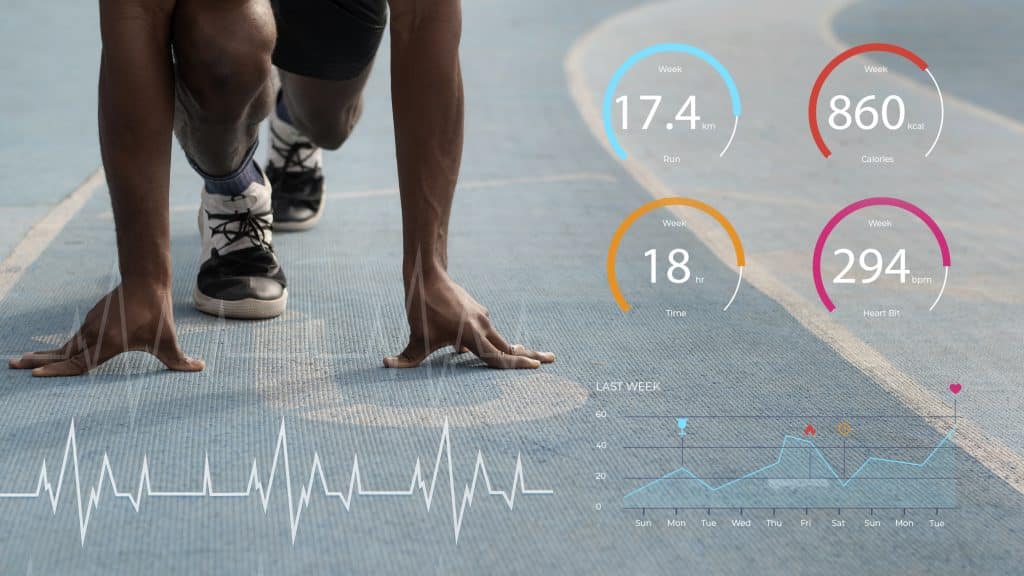
The latest cutting-edge technologies are transforming sports injury prevention, using wearable sensors and artificial intelligence analysis to identify risks before they develop into injuries.
In the sports environment, where peak performance coexists with high physical risks, these innovations make it possible to predict and mitigate potential damage with unprecedented precision, elevating athlete safety to a new level.
With the strategic use of cutting-edge technologies, teams and professionals can make faster and more efficient preventive decisions, extending careers and optimizing sports performance.
The proliferation of wearable technology in athletics
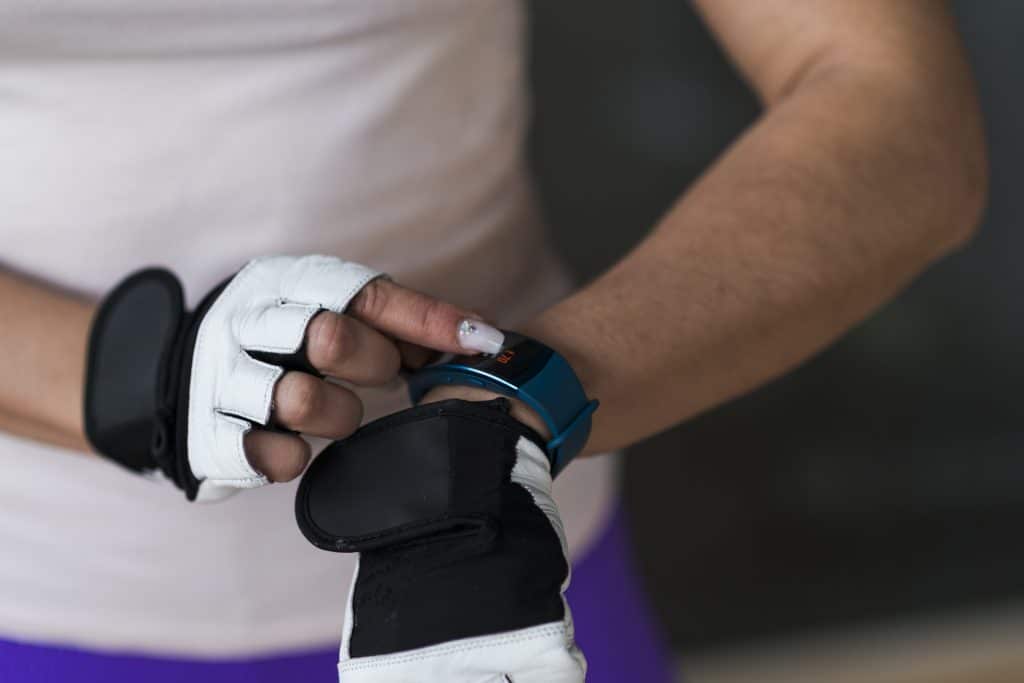
The integration of wearable devices into sports has fundamentally reshaped how athlete data is captured and analyzed, moving beyond simple step counts to provide sophisticated insights into biomechanics, load management, and fatigue.
These devices, ranging from smart garments to compact sensors, offer a continuous stream of real-time information crucial for preventive strategies.
This constant feedback loop empowers coaches and medical staff to make informed decisions swiftly, often before minor issues escalate into significant injuries, especially as these tools evolve into true cutting-edge technologies that connect data and prevention.
Advanced biometric monitoring
Wearable technology is evolving rapidly, incorporating more sensitive and accurate sensors that can track a vast array of biometric data.
This includes heart rate variability, sleep patterns, skin temperature, and even hydration levels, all of which contribute to an athlete’s overall physiological state.
By understanding these subtle shifts, teams can identify early warnings of overtraining or impending illness, crucial elements in preventing injuries that stem from systemic stress rather than acute trauma.
Many of these sensors are now considered cutting-edge technologies, enabling real-time biological interpretation.
Load management and performance tracking
One of the most critical applications of wearables is in quantifying external and internal load on athletes.
GPS trackers, accelerometers, and gyroscopes embedded in vests or clothing measure distance covered, speed, acceleration, deceleration, and even impact forces.
This data, when combined with internal load metrics like heart rate or perceived exertion, provides a holistic view of the demands placed on an athlete’s body during training and competition.
Proper load management is paramount in preventing overuse injuries, tendinopathies, and stress fractures.
Because these systems are powered by cutting-edge technologies, they enhance precision and strengthen training decisions.
- Micro-sensors for Biomechanical Analysis: Tiny, unobtrusive sensors placed on specific joints or muscles can track minute movements and angles, identifying compensatory patterns or inefficient mechanics that might predispose an athlete to injury. These micro-systems rely on cutting-edge technologies to register even the smallest deviations.
- Smart Apparel Integration: Fabric-based sensors woven into compression wear provide continuous, intimate data collection, reducing the need for external attachments and enhancing athlete comfort.
The ability to aggregate and present this data through intuitive dashboards allows sports scientists, coaches, and medical practitioners to visualize trends, identify anomalies, and tailor training regimens with unprecedented precision.
This data-driven approach fosters a proactive environment, shifting the focus from treating injuries to preventing them altogether, thereby maximizing athlete availability and extending athletic careers using cutting-edge technologies to guide decisions.
The emergence of artificial intelligence and machine learning
Artificial Intelligence (AI) and Machine Learning (ML) are rapidly transforming sports injury prevention from a reactive discipline into a predictive science.
By processing vast datasets that are too complex for human analysis alone, AI algorithms can identify subtle patterns and correlations that signify an elevated risk of injury.
This analytical capability is not only enhancing the understanding of injury mechanisms but also enabling personalized prevention protocols through cutting-edge technologies that interpret big data.
Predictive analytics for injury risk
One of the most impactful applications of AI is its ability to forecast injury risk.
ML models can ingest enormous amounts of data, including training loads, historical injury records, biometric readings from wearables, nutritional intake, sleep quality, and even psychological factors.
Through sophisticated algorithms, these models learn to recognize precursors to injury, often weeks or even months in advance.
This foresight allows for timely interventions, such as adjusting training intensity, prescribing specific recovery protocols, or recommending targeted strength and conditioning exercises powered by cutting-edge technologies.
Personalized training and recovery protocols
Beyond prediction, AI is instrumental in tailoring individual athlete programs. What works for one athlete may not be optimal for another, even within the same sport or team.
AI systems can analyze an athlete’s unique physiological responses and mechanical efficiencies, then generate highly personalized training regimens that optimize performance while minimizing injury risk.
This level of customization was previously unimaginable, relying heavily on anecdotal evidence or broad generalizations, but with cutting-edge technologies, personalization becomes data-driven.
- Gait Analysis with Computer Vision: AI-powered computer vision systems can analyze an athlete’s running or movement patterns in real-time or from video footage, identifying subtle biomechanical inefficiencies or asymmetries that could lead to injury. Adjustments can then be suggested to improve form.
- Automated Feedback Systems: Some AI platforms provide immediate, actionable feedback to athletes during training sessions, guiding them on proper technique or cautioning them about excessive strain, fostering self-correction as part of these cutting-edge technologies.
Biomechanics laboratories and advanced imaging
Modern sports injury prevention is deeply rooted in a precise understanding of the human body’s mechanics, both at rest and in motion.
Biomechanics laboratories, equipped with state-of-the-art technology, provide unparalleled insights into how forces impact the body, identifying inefficiencies and vulnerabilities.
Complementing this, advanced imaging techniques offer detailed views of internal structures, aiding in the early detection and precise diagnosis of potential issues as cutting-edge technologies reshape injury diagnostics.
3D motion capture systems
At the core of many biomechanics labs are 3D motion capture systems.
Using multiple high-speed cameras, these systems track reflective markers placed on an athlete’s body, creating a digital model of their movements.
This allows for incredibly precise analysis of joint angles, segment velocities, and force production during specific actions, such as jumping, throwing, or cutting.
By dissecting these movements frame by frame, clinicians and coaches can pinpoint subtle deviations from optimal mechanics that might place undue stress on certain joints or tissues.
Correcting these inefficient movement patterns is a primary strategy for preventing overuse injuries through cutting-edge technologies.
Force plates and pressure mapping
Force plates, integrated into clinic floors or specialized equipment, measure the ground reaction forces exerted by an athlete.
This data, combined with motion capture, provides a complete picture of how an athlete interacts with their environment.
Pressure mapping technology, often embedded in insoles or specialized mats, allows for detailed analysis of pressure distribution across the foot during activities like running or pivoting.
Identifying areas of excessive pressure or uneven weight distribution can highlight risks for conditions like plantar fasciitis, stress fractures, or ankle sprains, allowing for corrective interventions such as custom orthotics or specific strengthening exercises guided by cutting-edge technologies.
- High-Resolution Ultrasound: Beyond traditional X-rays and MRI, high-resolution ultrasound is increasingly used to visualize soft tissues like tendons and ligaments in real-time, allowing for dynamic assessment of pathology and guiding preventative injections or therapies.
- Computed Tomography (CT) Scans and Bone Scans: While often used for diagnosis post-injury, these advanced imaging techniques can also be employed in very specific high-risk scenarios or for baseline assessments.
Regenerative medicine and accelerated recovery
While the primary focus of technology in sports is often on prevention, an equally vital aspect is minimizing the downtime and long-term impact of injuries when they do occur.
Regenerative medicine is at the forefront of this effort, utilizing the body’s own healing mechanisms to accelerate recovery and restore tissue integrity, thereby reducing the likelihood of re-injury.
These therapies are pivotal in ensuring athletes return to play faster and stronger, not just “healed” but genuinely regenerated with the help of cutting-edge technologies.
Platelet-Rich Plasma (PRP) therapy
PRP therapy involves drawing a small amount of an athlete’s blood, processing it to concentrate the platelets, and then injecting this concentrate into an injured area.
Platelets contain a high concentration of growth factors that stimulate and enhance the body’s natural healing processes, particularly in tendons, ligaments, and muscles.
While not a standalone cure, PRP is increasingly used to augment recovery from common sports injuries.
Stem cell therapy
Stem cell therapies represent an even more advanced frontier. Autologous stem cells possess the unique ability to differentiate into various cell types, promoting tissue regeneration and repair at a cellular level.
By introducing these powerful regenerative cells, the aim is not just repair but true restoration of damaged tissue.
In many elite programs, cutting-edge technologies are used to monitor healing progress and cellular response.
Smart rehabilitation and return-to-play protocols
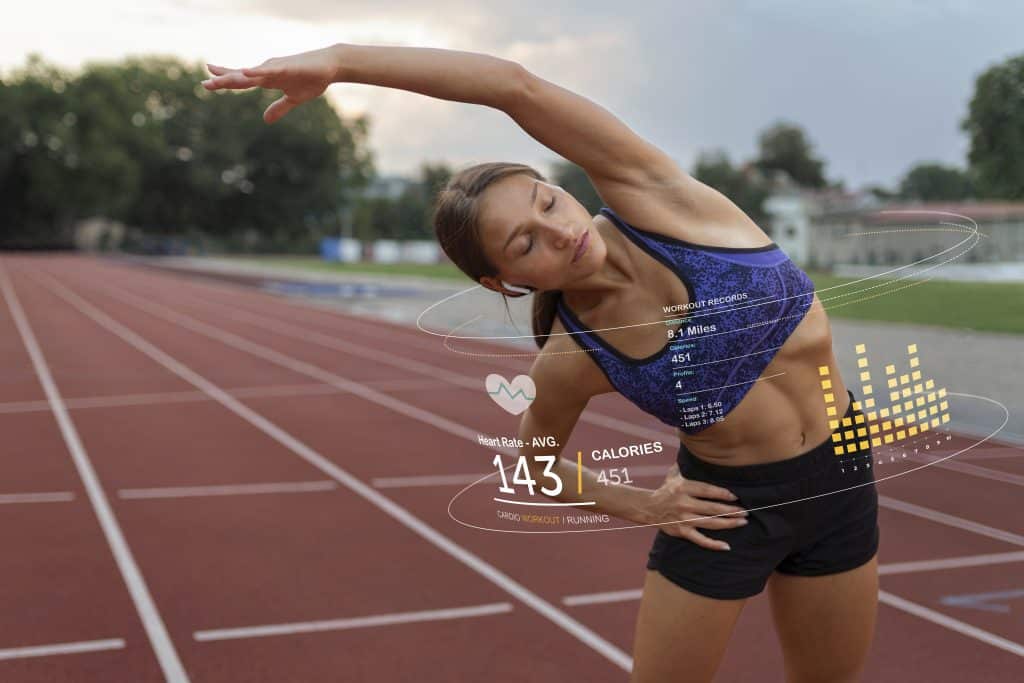
The final, yet critical, phase in sports injury prevention is the intelligent management of rehabilitation and the strategic decision-making regarding an athlete’s return to play.
Gone are the days of arbitrary timelines; modern approaches leverage technology and data to ensure an athlete is not just “healed,” but truly prepared for the demands of their sport.
This smart rehabilitation emphasizes individualized progression and objective readiness assessments supported by cutting-edge technologies.
Performance-based rehabilitation
Traditional rehabilitation often focused solely on regaining range of motion and basic strength.
However, smart rehabilitation employs technology to make rehabilitation performance-based.
This means that an athlete must achieve specific functional milestones, often quantified using force plates, motion sensors, and advanced strength testing equipment, before progressing.
Real-time biofeedback systems
During the rehabilitation process, real-time biofeedback systems provide athletes and therapists with immediate information on movement patterns, muscle activation, and force application.
This instant feedback allows for precise corrections and reinforcement of proper form, accelerating the learning process and ensuring that compensatory movements are avoided using cutting-edge technologies.
Nutrition, hydration, and mental well-being technologies
Beyond the physical and biomechanical aspects, a holistic approach to sports injury prevention recognizes the critical roles of nutrition, hydration, and mental well-being.
Modern technology is now providing sophisticated tools to monitor and optimize these often-overlooked components.
Personalized nutritional guidance
Advanced technologies, including genetic testing and metabolic profiling, are enabling highly personalized nutritional strategies.
Wearable sensors that track continuous glucose levels or sweat patches that analyze electrolyte loss offer real-time insights, allowing for dynamic adjustments to hydration and nutrition using cutting-edge technologies.
Advanced hydration monitoring
- Smart bottles, ingestible sensors, and hydration monitoring wearables provide accurate data on hydration status and electrolyte balance. This allows for highly individualized hydration protocols.
- Stress and Recovery Tracking Apps: Mobile applications and platforms are increasingly incorporating features that help athletes monitor perceived stress levels, mood states, sleep quality, and overall recovery.
- Biofeedback and Neurofeedback for Mental Resilience: Technologies that measure brain waves or heart rate variability can be used to train athletes in mindfulness, stress reduction, and emotional regulation as part of integrated cutting-edge technologies.
| Key Area | Brief Description |
|---|---|
| ⌚ Wearables | Real-time biometric and load data for proactive athlete monitoring and training adjustments. |
| 🧠 AI/ML | Predictive analytics and personalized protocols for injury risk assessment and mitigation. |
| 🔬 Biomechanics | 3D motion capture and force plates for precise movement analysis and injury pattern identification. |
| 🩹 Regenerative Medicine | PRP and stem cell therapies accelerate healing and reduce re-injury risk by boosting natural repair. |
Frequently Asked Questions (FAQ) about Sports Injury Prevention Tech
Wearables track external load (like distance and speed) and internal load (like heart rate). By analyzing these metrics over time, coaches can identify gradual increases in training volume or intensity that might lead to overuse injuries like tendinopathy or stress fractures. This data allows for timely adjustments to keep athletes within safe training zones.
While AI cannot guarantee prediction, it significantly enhances risk assessment. By analyzing vast datasets of an athlete’s historical data (training, sleep, biometrics, past injuries), AI algorithms identify patterns and subtle deviations that indicate an elevated risk. This enables proactive interventions to mitigate that risk, effectively preventing many potential injuries.
Biomechanics helps prevent acute injuries by identifying inefficient or high-risk movement patterns. For instance, analyzing a jump or landing can reveal undue stress on a knee or ankle, which could lead to an ACL tear or sprain. Correcting these mechanics through targeted training strengthens vulnerable areas and optimizes movement efficiency.
Regenerative therapies like PRP and stem cells enhance the body’s natural healing capabilities, ensuring that injured tissues repair more robustly and completely. By promoting stronger, healthier tissue restoration, they reduce the likelihood of re-injury at the same site, thus preventing future breakdowns and extending an athlete’s career.
While some high-end technologies are predominantly used by professional teams, many advancements are becoming more accessible. Basic wearables, smart apps for training load management, and even certain rehabilitation tools are increasingly available to recreational and amateur athletes, making advanced injury prevention more widespread over time.
