Hollywood’s AI Transformation: Film Production & Distribution 2026
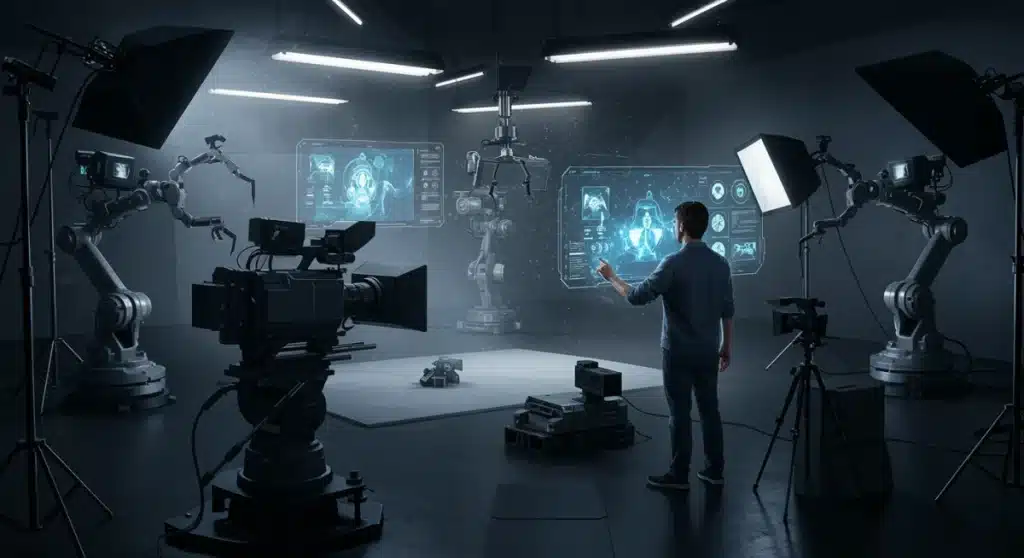
Latest developments on Hollywood’s Digital Transformation: How AI is Reshaping Film Production and Distribution in 2026., with key facts, verified sources and what readers need to monitor next in Estados Unidos, presented clearly in Inglês (Estados Unidos) (en-US).
Hollywood’s Digital Transformation: How AI is Reshaping Film Production and Distribution in 2026. is shaping today’s agenda with new details released by officials and industry sources. This update prioritizes what changed, why it matters and what to watch next, in a straightforward news format.
The integration of artificial intelligence into every facet of the film industry, from pre-production to post-release analytics, marks a pivotal shift. This comprehensive overview delves into the observable impacts and projected trajectories of AI’s influence, offering a clear picture of the landscape ahead.
As technology continues to evolve at an unprecedented pace, understanding these changes is crucial for anyone involved in or impacted by the entertainment sector. The implications stretch across creative processes, financial models, and audience engagement strategies.
AI’s Impact on Pre-Production: Script to Storyboard
The initial stages of filmmaking are experiencing profound changes due to AI, streamlining processes that were once labor-intensive and time-consuming. From script analysis to character development, AI tools are providing unprecedented efficiencies and creative insights.
These advancements allow filmmakers to experiment with narrative structures and visual concepts more rapidly, fostering an environment where innovative ideas can be tested and refined with greater agility. This directly contributes to a more dynamic and responsive creative workflow.
The goal is not to replace human creativity but to augment it, enabling artists and writers to focus on high-level conceptualization while AI handles repetitive or data-heavy tasks. This collaboration is defining the new standard for early-stage film development.
Script Analysis and Development
AI algorithms can analyze scripts for narrative coherence, character arcs, and even predict audience reception, offering data-driven feedback to writers. This allows for early identification of potential issues and opportunities for refinement, enhancing the storytelling process.
Moreover, AI can generate alternative dialogue options or plot twists, providing writers with a broader palette of creative choices. This accelerates the iterative process of scriptwriting, allowing for faster development cycles and more polished final products.
- AI-driven sentiment analysis for character dialogue.
- Predictive analytics for box office success based on script elements.
- Automated generation of scene descriptions and character profiles.
Virtual Location Scouting and Storyboarding
Virtual production technologies, powered by AI, enable filmmakers to scout locations virtually and create detailed storyboards with photorealistic environments. This significantly reduces travel costs and logistical complexities associated with traditional scouting methods.
AI can also generate dynamic storyboards that animate scenes and camera movements, giving directors a clearer vision of the final product before physical production begins. This visual precision helps in planning complex sequences and optimizing resource allocation.
- AI-generated 3D models of potential filming locations.
- Real-time rendering of virtual sets for pre-visualization.
- Automated scene breakdown and shot list creation.
Revolutionizing Production: Cameras, CGI, and Robotics
The actual filming process is undergoing a significant transformation, with AI influencing everything from camera operations to the creation of stunning visual effects. These technological shifts are pushing the boundaries of what is visually possible on screen.
AI-powered cameras offer enhanced stabilization, intelligent framing, and even autonomous operation in certain scenarios, allowing cinematographers to achieve shots previously deemed impossible. This opens new creative avenues for visual storytelling.
The synergy between AI and robotics is also evident in specialized equipment, enabling precise movements and complex interactions that contribute to the overall spectacle of modern cinema. This era of intelligent tools is redefining production capabilities.
AI-Powered Cinematography
Advanced AI systems are now integrated into camera rigs, providing real-time feedback on lighting, composition, and focus. This allows crews to make immediate adjustments, ensuring optimal visual quality throughout the shoot.
Autonomous drones equipped with AI can execute complex flight paths and track subjects with unparalleled accuracy, capturing dynamic aerial shots that add significant production value. These systems minimize human error and maximize efficiency on set.
- Intelligent autofocus and exposure control systems.
- AI-guided drone cinematography for complex sequences.
- Real-time color grading and image enhancement during shooting.
Generative AI for Visual Effects (VFX)
Generative AI is fundamentally changing the landscape of visual effects, allowing for the creation of incredibly realistic and complex imagery with greater speed and efficiency. This reduces the reliance on traditional, labor-intensive CGI techniques.
From generating lifelike digital characters to crafting expansive fantastical worlds, AI tools empower VFX artists to achieve breathtaking visuals that were once unimaginable. This accelerates post-production workflows and lowers costs.
The ability of AI to learn from vast datasets of existing imagery means that it can produce highly convincing textures, environments, and even character movements, elevating the overall fidelity of visual storytelling in film.
Post-Production Evolution: Editing and Sound Design
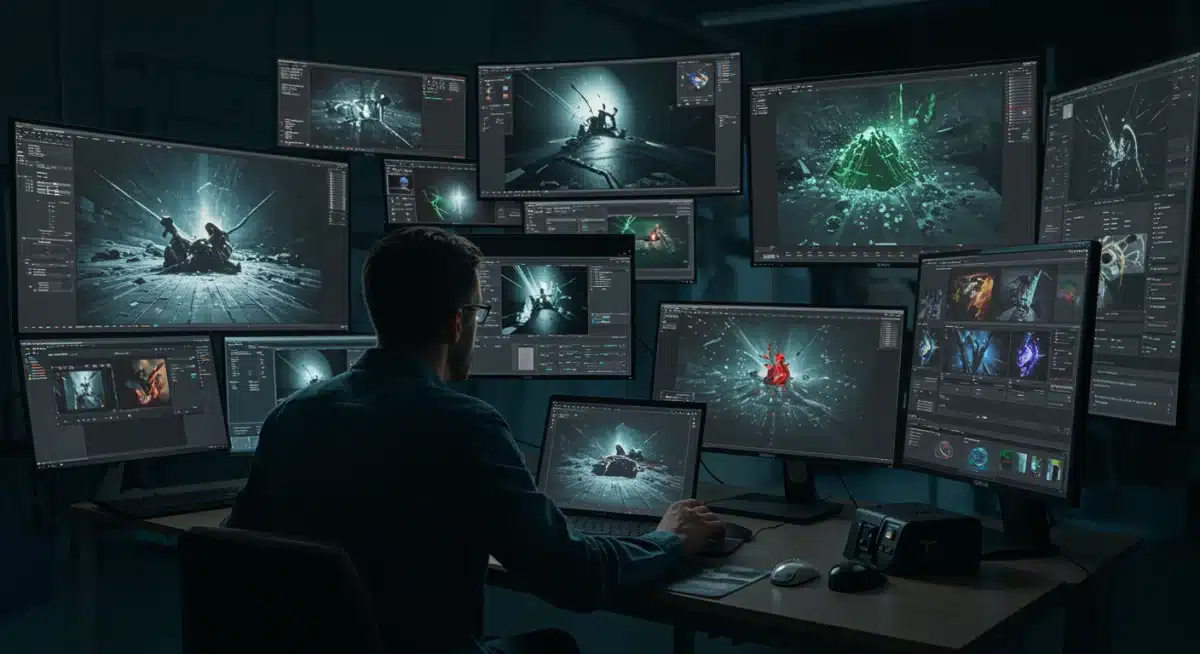
The post-production phase, encompassing editing, sound design, and color grading, is also being significantly reshaped by AI. These tools are automating mundane tasks and offering new creative possibilities, accelerating the finalization of films.
AI-powered editing software can quickly assemble rough cuts, identify optimal takes, and even suggest pacing adjustments, allowing editors to focus on the artistic nuances of storytelling. This speeds up the traditionally time-consuming editing process.
In sound design, AI assists in noise reduction, dialogue enhancement, and the generation of ambient soundscapes, creating more immersive auditory experiences. The precision and speed offered by these AI tools are unparalleled.
Automated Editing and Color Grading
AI algorithms can analyze footage and automatically create initial edits, identifying key moments and syncing audio and video tracks. This provides a strong starting point for human editors, drastically cutting down the time spent on initial assembly.
Color grading, a critical aspect of a film’s visual aesthetic, benefits from AI tools that can suggest color palettes, correct inconsistencies, and apply complex grading styles across an entire feature. This ensures visual continuity and enhances mood.
- AI-assisted scene sequencing and timeline organization.
- Automated color correction and stylistic grading suggestions.
- Intelligent detection of continuity errors in visual and audio tracks.
AI in Sound Design and Music Composition
AI is transforming how sound is manipulated and created in films. From isolating individual sound elements to generating original musical scores, these technologies offer unprecedented control and creative freedom to sound designers and composers.
AI can analyze a film’s emotional tone and generate corresponding musical cues or sound effects, providing a dynamic and adaptive score. This allows for personalized audio experiences that resonate deeply with the narrative.
The development of AI tools capable of synthesizing realistic voiceovers in multiple languages also expands global accessibility, reducing the need for extensive localization efforts. This democratizes content for diverse audiences.
Distribution and Marketing: Reaching Global Audiences
Beyond production, Hollywood’s Digital Transformation: How AI is Reshaping Film Production and Distribution in 2026. is also fundamentally altering how films are distributed and marketed. AI is enabling more precise targeting, personalized content delivery, and efficient campaign management.
Streaming platforms leverage AI to analyze viewer preferences, recommending content that aligns with individual tastes and extending audience engagement. This data-driven approach maximizes viewership and subscription retention.
AI-powered marketing campaigns can identify optimal release dates, personalize promotional materials, and predict audience response, ensuring that films reach their target demographics effectively. This optimizes advertising spend and broadens market reach.
Personalized Content Recommendations
AI algorithms are at the heart of recommendation engines used by major streaming services, analyzing vast amounts of user data to suggest films and shows. This personalized approach enhances user experience and drives content consumption.
These systems learn from viewing habits, ratings, and even the time of day content is consumed, creating highly tailored suggestions that keep audiences engaged. The accuracy of these recommendations continues to improve with more data.
- AI-driven algorithms for customized viewing queues.
- Predictive models for audience preferences and churn risk.
- Dynamic content curation based on real-time user interaction.
Targeted Marketing and Audience Analytics
AI enables studios to conduct highly targeted marketing campaigns, identifying specific demographic segments most likely to engage with a particular film. This precision reduces wasted advertising spend and maximizes campaign effectiveness.
By analyzing social media trends, online discussions, and audience feedback, AI can gauge public sentiment towards a film and adjust marketing strategies in real-time. This agile approach ensures that promotional efforts remain relevant and impactful.
- Audience segmentation and micro-targeting for ad campaigns.
- Sentiment analysis of public reactions to trailers and promotional content.
- Predictive modeling for campaign ROI and audience acquisition.
Challenges and Ethical Considerations in AI Integration
While the benefits of Hollywood’s Digital Transformation: How AI is Reshaping Film Production and Distribution in 2026. are clear, significant challenges and ethical considerations accompany this technological shift. Addressing these issues is crucial for responsible innovation.
Concerns about job displacement, intellectual property rights, and the potential for algorithmic bias in content creation are paramount. The industry must navigate these complexities to ensure a fair and equitable future.
Developing robust ethical guidelines and regulatory frameworks will be essential to harness AI’s power responsibly, safeguarding creative integrity and protecting the interests of artists and audiences alike.
Job Displacement and Workforce Adaptation
The automation of certain tasks by AI raises valid concerns about job displacement within the film industry. Roles in editing, basic visual effects, and even some aspects of scriptwriting may see significant changes.
However, AI also creates new job opportunities, particularly in areas like AI development, data science, and specialized AI-assisted creative roles. The challenge lies in retraining and adapting the existing workforce to these new demands.
- Reskilling programs for film industry professionals.
- Emergence of new roles in AI-driven production pipelines.
- Industry-wide discussions on fair labor practices in an AI era.
Intellectual Property and Copyright Issues
The use of generative AI in creating scripts, visual assets, and music raises complex questions about intellectual property ownership and copyright. Determining who owns the output of an AI, or the data used to train it, is a pressing legal challenge.
Establishing clear guidelines for attribution and compensation will be vital to protect the rights of creators and prevent unauthorized use of their work by AI systems. This requires collaboration between legal experts and industry stakeholders.
- Defining ownership of AI-generated creative content.
- Establishing ethical sourcing practices for AI training data.
- Developing new copyright laws adapted to generative AI.
The Future Landscape: Immersive Experiences and New Narratives
Looking ahead, Hollywood’s Digital Transformation: How AI is Reshaping Film Production and Distribution in 2026. promises a future filled with even more immersive experiences and innovative storytelling. AI is poised to unlock new forms of entertainment that blur the lines between reality and fiction.
Interactive films, personalized narratives, and hyper-realistic virtual environments will become increasingly commonplace, offering audiences unprecedented levels of engagement. This evolution will redefine the very concept of cinematic experience.
The confluence of AI, virtual reality, and augmented reality will create a rich tapestry of narrative possibilities, pushing creative boundaries and offering filmmakers new tools to captivate and transport their audiences.
Interactive and Personalized Storytelling
AI will enable the creation of truly interactive films where audience choices directly influence the narrative outcome, leading to unique viewing experiences for each individual. This moves beyond traditional linear storytelling.
Personalized narratives, where AI tailors elements of the story or character interactions based on viewer data, could become a reality. This offers a deeply engaging and customized entertainment experience, fostering stronger connections with content.
- Branching narratives guided by AI and viewer input.
- Dynamic character development based on audience preferences.
- Adaptive storylines that evolve with individual viewing patterns.
Hyper-Realistic Virtual Environments and Digital Humans
The advancement of AI in conjunction with rendering technologies will lead to the creation of virtual environments that are indistinguishable from reality, offering filmmakers limitless possibilities for world-building without physical constraints.
Digital humans, powered by sophisticated AI, will achieve unprecedented levels of realism and emotional depth, allowing for the creation of believable characters without the need for human actors in certain roles. This extends creative control and reduces logistical overhead.
- AI-generated photorealistic virtual sets and landscapes.
- Emotionally intelligent digital characters with nuanced performances.
- Seamless integration of virtual and live-action elements in film.
Economic Implications and Investment Trends
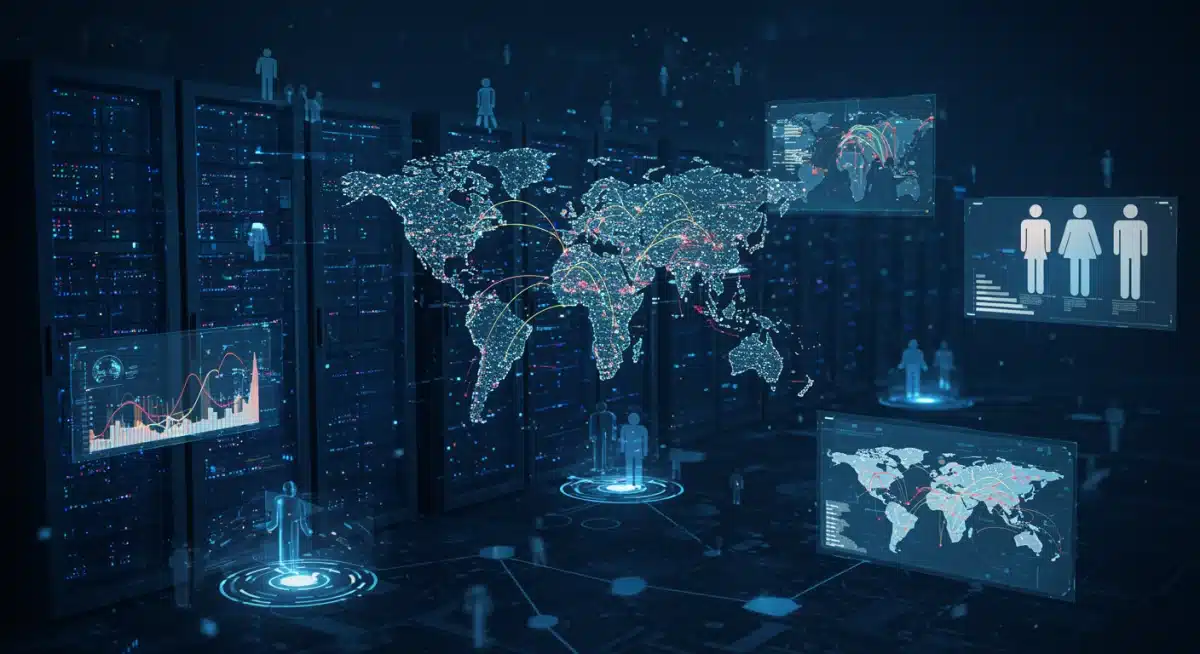
The economic ramifications of Hollywood’s Digital Transformation: How AI is Reshaping Film Production and Distribution in 2026. are substantial, attracting significant investment and reshaping financial models within the industry. Companies are strategically positioning themselves to capitalize on these technological shifts.
Increased efficiency in production and distribution, coupled with enhanced audience targeting, promises higher returns on investment for studios and content creators. This drives further adoption of AI technologies.
The emergence of new revenue streams through AI-driven personalized content and interactive experiences also signals a robust future for the entertainment economy, attracting venture capital and fostering innovation.
Cost Reduction and Efficiency Gains
AI’s ability to automate repetitive tasks, optimize resource allocation, and accelerate production timelines leads to significant cost reductions across the entire filmmaking process. This makes film production more financially viable, especially for independent creators.
From pre-visualization to post-production, the efficiencies gained through AI allow studios to allocate resources more effectively, investing in creative talent and innovative storytelling rather than logistical overheads. This shifts economic priorities.
- Reduced labor costs in routine production tasks.
- Optimized budget allocation through AI-driven project management.
- Faster time-to-market for film and television content.
Investment in AI Startups and R&D
The burgeoning field of AI in entertainment is attracting substantial investment, with venture capitalists and major studios pouring funds into AI startups and research and development initiatives. This fuels rapid innovation and technological advancement.
Companies specializing in generative AI, virtual production, and predictive analytics for audience engagement are becoming key players in the evolving ecosystem. Strategic acquisitions and partnerships are also common as the industry consolidates expertise.
- Increased venture capital funding for AI in entertainment.
- Strategic partnerships between tech companies and film studios.
- Focus on developing proprietary AI tools for competitive advantage.
| Key Aspect | Impact of AI |
|---|---|
| Production Efficiency | Streamlines processes from script to final cut, reducing time and cost. |
| Creative Augmentation | Enhances VFX, sound design, and narrative possibilities for artists. |
| Distribution & Marketing | Enables personalized recommendations and targeted global campaigns. |
| Ethical Concerns | Addresses job displacement, IP rights, and algorithmic bias. |
Frequently Asked Questions About AI in Hollywood
AI is transforming film production by automating tasks like script analysis, virtual location scouting, and initial editing. It enhances visual effects, optimizes camera operations, and assists in sound design, allowing creatives to focus on complex artistic decisions and accelerate workflows significantly.
In film distribution, AI powers personalized content recommendation engines on streaming platforms, enabling highly targeted marketing campaigns. It analyzes audience data to predict preferences, optimize release strategies, and ensure content reaches specific demographics efficiently, maximizing viewership and revenue.
Yes, significant ethical concerns exist, including potential job displacement due to automation, complex intellectual property and copyright issues for AI-generated content, and the risk of algorithmic bias in creative outputs. Industry stakeholders are actively working to establish ethical guidelines and regulatory frameworks.
AI is expected to augment, rather than entirely replace, creative roles. While AI handles repetitive or data-intensive tasks, it frees up artists, writers, and directors to concentrate on higher-level creative conceptualization and artistic vision. New roles focused on AI development and integration are also emerging.
Future trends include the development of more immersive and personalized storytelling experiences, such as interactive films and dynamically generated narratives. Expect hyper-realistic virtual environments, increasingly sophisticated digital humans, and the continued integration of AI with VR/AR technologies to redefine cinematic engagement.
Impact and Implications
The ongoing Hollywood’s Digital Transformation: How AI is Reshaping Film Production and Distribution in 2026. marks a definitive shift in the entertainment landscape. The industry is not merely adopting new tools but fundamentally reimagining its creative and business models. This transformation promises greater efficiency, unprecedented creative possibilities, and more personalized audience experiences, but also demands careful consideration of ethical boundaries and workforce adaptation. Stakeholders must remain vigilant, fostering collaboration between technology developers and creative professionals to navigate this evolving terrain successfully.
